A Deep Dive into Screw Conveyor Systems and Their Versatile Applications
Understanding Screw Conveyor Systems
Overview of Screw Conveyors
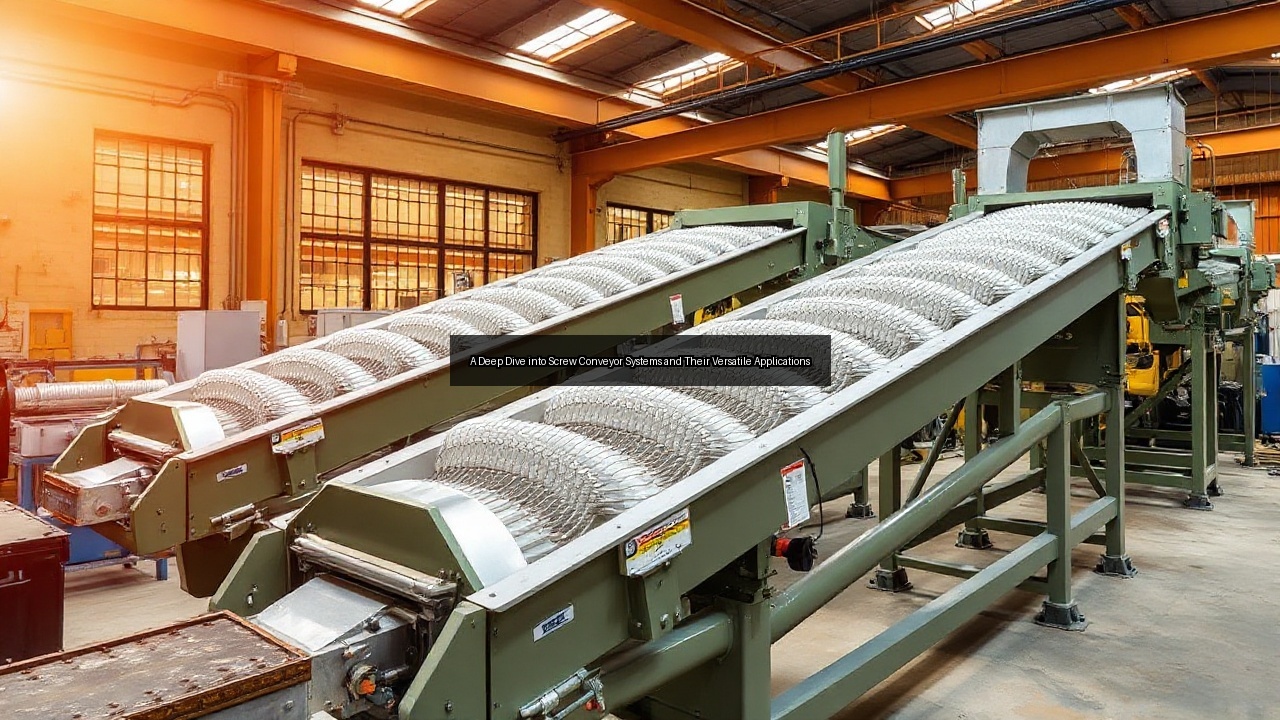
Screw conveyors serve as reliable workhorses in material handling across countless operations. These systems use a rotating helical blade, often called an auger conveyor, to move bulk materials efficiently along a trough or tube. Manufacturers design them to handle everything from fine powders to larger granules without damaging the product. Industries rely on screw conveyors because they occupy minimal space while delivering consistent throughput. The basic design traces back decades yet continues to evolve through improved materials and precision engineering. Companies appreciate how these conveyors reduce manual labor and minimize spillage during transport. A well-built screw conveyor integrates seamlessly into existing lines and supports continuous operation under demanding conditions.
How Screw Conveyors Work
A screw conveyor operates through steady rotation of its helical screw inside a fixed housing. Material enters at the inlet and advances forward as the screw turns, creating a consistent flow toward the discharge point. The pitch and diameter of the screw determine the volume moved per revolution. Operators adjust speed via motors to match production rates precisely. This mechanism avoids the need for belts or chains, which reduces maintenance points. Flexible screw conveyors add maneuverability when layouts require bends or elevation changes. Rigid versions maintain straight paths for higher capacities. Both types prevent material degradation by keeping movement gentle yet effective. Performance stays predictable even when handling abrasive or moist substances.
Types of Screw Conveyors: Flexible vs. Rigid
Flexible screw conveyors feature a bendable tube that allows routing around obstacles on the plant floor. Their lightweight construction suits temporary setups or frequent reconfiguration needs. Rigid screw conveyors, by contrast, use fixed metal troughs or tubes for straight-line transport over longer distances. These handle heavier loads and abrasive materials like grain or cement without deformation. Manufacturers match the choice to specific flow rates and facility constraints. Flexible models excel in confined spaces while rigid units dominate high-volume lines. Both options support variable speeds and easy cleaning between batches. Selection depends on material characteristics and desired throughput.
Applications of Screw Conveyors Across Industries
Screw Conveyors in Agriculture
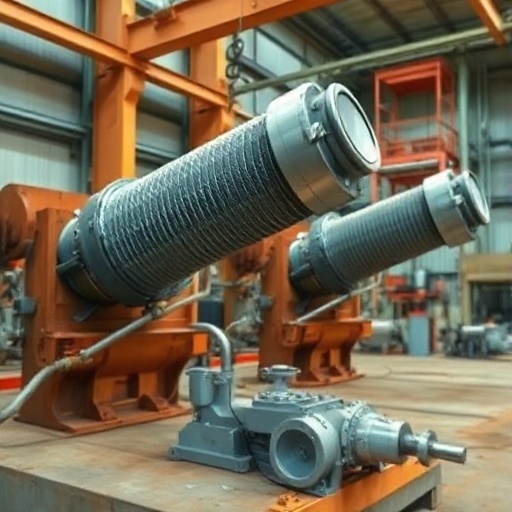
Agriculture operations depend on screw conveyors to move grain, seed, and feed across storage and processing facilities. The enclosed design protects crops from weather and contamination during transfer. Farmers load trucks directly from silo outlets using portable auger conveyors that reach elevated hatches. This equipment reduces labor costs and speeds harvest cycles. Durable construction withstands outdoor exposure and constant use through peak seasons. Many models incorporate variable pitch screws that prevent bridging in cohesive grains. Agricultural engineers specify corrosion-resistant coatings for fertilizer applications as well. The result is reliable material flow that supports efficient farm-to-market logistics.
Role of Screw Conveyors in Cement Handling
Cement plants employ screw conveyors to transport raw materials and finished product between grinding mills, storage silos, and packaging stations. The enclosed trough contains fine powder that would otherwise create dust hazards. High-temperature designs manage hot clinker without warping. Operators value the low energy consumption compared to pneumatic alternatives. Screw conveyors also meter precise amounts into mixers for consistent batch quality. Maintenance crews appreciate fewer moving parts that require lubrication or replacement. In large facilities, multiple units operate in sequence to keep production lines running around the clock. Their compact footprint fits within tight plant layouts common in cement operations.
Utilizing Screw Conveyors in Paper Mills
Paper mills integrate screw conveyors to move wood chips, pulp, and recycled fiber through pulping and bleaching stages. The gentle conveying action preserves fiber length while advancing material steadily. Enclosed systems control odors and contain moisture that could affect downstream equipment. Paper corporations schedule regular inspections to maintain hygiene standards required for food-grade packaging grades. Custom screw designs handle both wet slurries and dry additives without clogging. These conveyors link directly to refiners and screens for continuous processing. Efficiency gains appear in reduced downtime and lower energy use per ton produced. Paper mill managers report improved safety when manual handling decreases.
Innovative Uses of Screw Conveyors
Screw Conveyors in Wastewater Treatment
Wastewater treatment facilities use screw conveyors to transport grit, sludge, and screenings between treatment stages. The robust construction resists corrosion from harsh chemicals and abrasive solids. Inclined units dewater material during transport, reducing volume before disposal or further processing. Operators adjust rotation speed to match fluctuating plant loads throughout the day. Many installations combine screw conveyors with compactors for on-site volume reduction. This integration lowers hauling costs and landfill requirements. Treatment plants along the coast benefit from marine-grade coatings that extend equipment life. Reliable performance ensures compliance with environmental discharge permits.
Applications in Desalination Plants
Desalination plants position screw conveyors to handle salt cake, filter media, and chemical dosing materials. The systems operate reliably in high-salinity environments where standard conveyors fail quickly. Engineers select stainless steel construction to resist pitting and extend service intervals. Units feed brine concentrators and crystallizers without introducing contaminants. Portable models assist during maintenance shutdowns when temporary material transfer becomes necessary. Desalination facilities report consistent uptime because screw conveyors require minimal lubrication in dusty, corrosive settings. Integration with level sensors prevents overflow during peak production. These conveyors support round-the-clock operation essential for coastal water supply infrastructure.
Integration of Screw Conveyors with Pumps
Facilities combine screw conveyors with pumps to create continuous material transfer loops in processing plants. The conveyor delivers bulk solids directly into pump hoppers, eliminating intermediate storage steps. This setup improves accuracy in metering applications such as polymer addition or lime slurry preparation. Engineers design control systems that synchronize conveyor speed with pump demand for steady flow. Maintenance teams service both components during planned outages to minimize downtime. The pairing works effectively in biorefinery settings where viscous byproducts require careful handling. Manufacturers offer matched drive packages that simplify installation and troubleshooting. Overall system efficiency rises when conveyors and pumps operate as coordinated units.
Choosing the Right Screw Conveyor for Your Needs
Factors to Consider When Selecting a Screw Conveyor
Engineers evaluate material density, abrasiveness, and moisture content before specifying a screw conveyor. Capacity requirements dictate trough size and screw diameter while layout constraints influence flexible versus rigid choices. Temperature extremes and chemical exposure guide material selection for the housing and flighting. Drive type and power rating must match duty cycle expectations. Safety features such as covers and emergency stops receive priority in all industrial settings. Budget considerations include both initial purchase and long-term maintenance expenses. Testing samples with prototype units helps confirm performance before full-scale commitment. Proper sizing prevents underperformance or excessive wear.
Comparing Screw Conveyors to Roller Conveyors
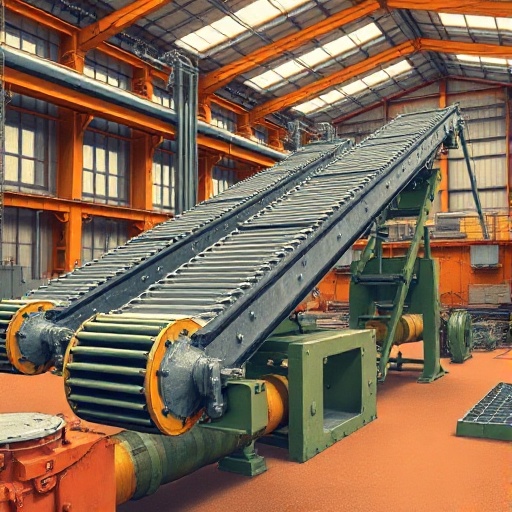
Screw conveyors outperform roller conveyors when handling loose bulk materials that would fall between rollers. The enclosed design contains dust and prevents product loss during transfer. Roller conveyors suit palletized or boxed goods that require accumulation zones. Screw systems provide better control over flow rate through variable speed drives. Maintenance differs because screw conveyors lack numerous bearings exposed to contamination. Facilities processing grain or cement choose screw conveyors for their ability to move non-uniform particles. Roller conveyors dominate packaging lines where items must remain upright. Both technologies coexist in many plants where different material streams require specialized equipment.
Manufacturer Insights: Top Brands in the Market
Leading manufacturers differentiate themselves through custom engineering and rapid spare-parts availability. James Eagen Sons stands out for screw conveyor systems tailored to exact customer specifications and challenging environments. Other established companies focus on modular designs that shorten lead times for standard applications. Buyers examine case studies from similar industries before final selection. Quality certifications and warranty terms provide additional decision criteria. Local support networks influence long-term satisfaction when service calls arise. Top manufacturers invest in research that improves wear resistance and energy efficiency. Prospective customers request references and site visits to observe equipment in operation.
Future Trends in Screw Conveyor Technology
Advancements in Screw Conveyor Engineering
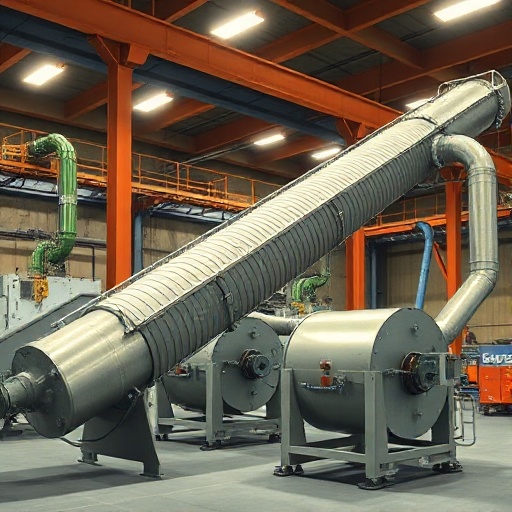
Modern engineering incorporates advanced alloys and polymer coatings that dramatically extend service life in abrasive applications. Computational fluid dynamics helps optimize screw geometry for specific materials before fabrication begins. Additive manufacturing now produces complex flight sections that reduce assembly time. Sensors embedded along the conveyor provide real-time data on torque, temperature, and vibration. These inputs enable predictive maintenance that prevents unexpected stoppages. Manufacturers continue refining seal designs to handle higher pressures in specialized processes. The result is equipment that delivers greater reliability across a wider range of operating conditions.
Sustainable Solutions in Biorefinery Applications
Biorefineries adopt screw conveyors to move biomass feedstock and residual solids with minimal energy input. Enclosed systems prevent odor release and contain organic material that could attract pests. Heat recovery options integrate with conveyor housings to preheat incoming feedstock. Manufacturers develop wear-resistant components from recycled materials to lower the environmental footprint. These conveyors support closed-loop processes that maximize resource recovery from agricultural and forestry waste. Operators track energy consumption metrics to demonstrate sustainability gains to stakeholders. The technology aligns with circular economy goals by enabling efficient material movement without excessive power draw.
The Impact of Automation on Conveyor Systems
Automation transforms screw conveyor operation through integrated controls that adjust speed based on downstream demand signals. Programmable logic controllers coordinate multiple units to maintain balanced flow across entire production lines. Remote monitoring allows technicians to diagnose issues from off-site locations. Automated lubrication systems reduce manual intervention and extend bearing life. Facilities report higher overall equipment effectiveness when conveyors respond dynamically to process variations. Safety interlocks tied to automation prevent operation during access door openings. The combination of mechanical simplicity and digital oversight creates highly responsive material handling networks. Future installations will feature greater connectivity with enterprise resource planning systems for optimized scheduling.