Exploring the World of Electric Motors Unraveling the Types and Their Unique Applications
Understanding Electric Motors: An Overview
What are Electric Motors?
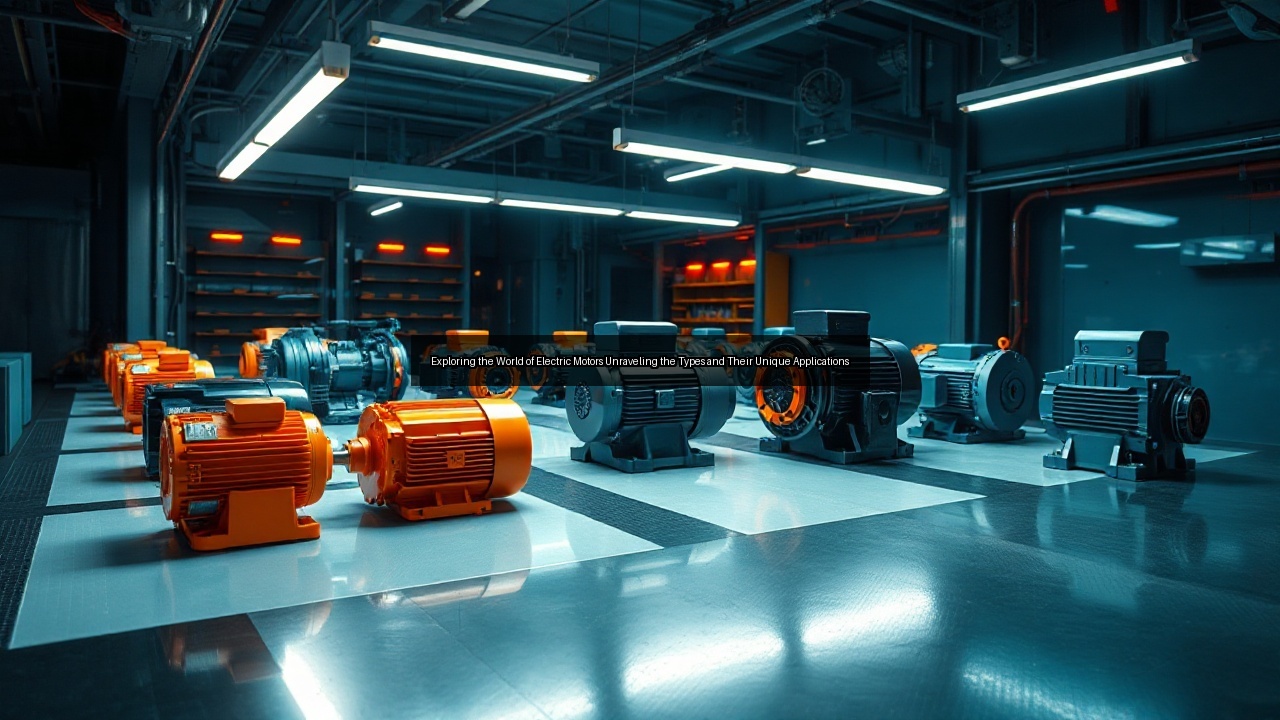
Electric motors convert electrical energy into mechanical energy, powering everything from tiny fans to massive industrial machines. These devices operate on fundamental principles of electromagnetism, where current flowing through coils generates magnetic fields that interact to produce motion. Engineers classify electric motors into broad categories like DC motors and AC motors, each suited to specific needs. Understanding the types of electric motors reveals their versatility; for instance, a brushed DC motor delivers straightforward speed control, while a brushless DC motor offers higher efficiency for demanding tasks. Manufacturers design these motors with rotors and stators to ensure reliable rotation. In essence, electric motors drive innovation across sectors, from household gadgets to renewable energy systems, making them indispensable in daily life.
The Significance of Electric Motors in Modern Applications
Electric motors power the backbone of contemporary technology, enabling efficient energy use and automation in diverse fields. They outperform traditional engines by delivering precise control and lower emissions, aligning with global sustainability goals. Consider how types of electric motors, such as AC induction motors, dominate industrial settings for their robustness and cost-effectiveness. In transportation, electric vehicles rely on permanent magnet synchronous motors for smooth acceleration and regenerative braking. Households benefit from single phase motors in appliances like washing machines, simplifying power integration. The economic impact is profound: these motors reduce operational costs and enhance productivity. As demand grows, innovations in motor types continue to shape smarter, greener applications, from robotics to smart grids.
Key Components of Electric Motors
Electric motors consist of essential parts that work in harmony to generate torque and rotation. The stator forms the stationary outer frame, housing windings that create a magnetic field when energized. The rotor, spinning inside, responds to this field for motion. Commutators and brushes in brushed DC motors manage current direction, while brushless motors use electronic controllers instead. Bearings minimize friction, ensuring longevity. Core materials like electrical steel enhance magnetic flux, boosting efficiency. Windings, often copper, carry the current that initiates operation. Armatures in DC electric motors convert energy effectively. Understanding these components unlocks insights into motor types, allowing engineers to optimize designs for specific voltages or speeds. Robust construction guarantees performance in harsh environments.
Categories of Electric Motors
DC Motors: Brushed vs. Brushless
DC motors run on direct current, providing excellent speed regulation through voltage adjustments. Brushed DC motors feature a mechanical commutator and carbon brushes that switch current polarity, enabling simple yet reliable operation in toys and small tools. However, they suffer from brush wear, leading to maintenance needs. Brushless DC motors, or BLDC motors, eliminate brushes via electronic commutation, achieving higher speeds and efficiencies up to 90 percent. These brushless motors excel in drones and computer fans due to reduced heat and longer life. Comparing the two, brushed versions suit low-cost, intermittent use, while brushless options dominate precision applications. Advances in circuit design have made brushless DC motors more accessible, revolutionizing categories of electric motors with superior torque-to-weight ratios.
AC Motors: Types and Characteristics
AC motors harness alternating current for operation, thriving in high-power scenarios like factories and HVAC systems. Induction motors, the most common AC motors, rely on electromagnetic induction to spin the rotor without direct electrical connection, offering ruggedness and low cost. Synchronous motors lock rotor speed to the AC frequency, ideal for constant-speed tasks such as clocks or generators. AC motors handle variable loads effortlessly, with characteristics like self-starting in polyphase designs. Single-phase AC motors power home devices, while three-phase motors drive heavy industry for smoother torque. Their efficiency stems from no brushes, minimizing wear. Exploring electric motor types reveals AC motors' dominance in grid-connected applications, where they convert electrical energy seamlessly into mechanical work across vast power ranges.
Synchronous vs. Asynchronous Motors
Synchronous motors rotate at a speed exactly matching the supply frequency, using a rotor that locks into the stator's magnetic field for precise timing. They incorporate permanent magnets or electromagnets, shining in applications requiring stability, like power factor correction in utilities. Asynchronous motors, or induction motors, slip slightly behind synchronous speed, allowing easy starting and overload tolerance. This slip generates torque via induced currents in the rotor. AC induction motors prevail in pumps and conveyors for their simplicity and affordability. Synchronous motors demand excitation systems, adding complexity but enhancing efficiency in large-scale setups. Differentiating these in types of motors highlights trade-offs: synchronous for accuracy, asynchronous for versatility. Both categories propel industrial progress, with asynchronous designs leading in everyday electric motor uses.
Single Phase vs. Three Phase Motors
Single phase motors operate on household AC power, making them perfect for residential appliances like refrigerators and fans. They use capacitors for starting torque, overcoming the challenge of oscillating fields in single-phase supply. Compact and affordable, these motors simplify wiring but limit power to lighter duties. Three-phase motors draw from industrial three-phase electricity, producing a rotating magnetic field naturally for higher efficiency and torque. They power compressors, elevators, and machinery without auxiliary starts, scaling to megawatt levels. Comparing single phase motors and three-phase motors underscores efficiency gaps: three-phase versions run cooler and smoother, reducing energy loss. In categories of electric motors, single-phase suits portability, while three-phase dominates manufacturing. Selecting the right type optimizes performance and cost in diverse setups.
Exploring Specific Types of Electric Motors
BLDC Motors: The Rise of Brushless Technology
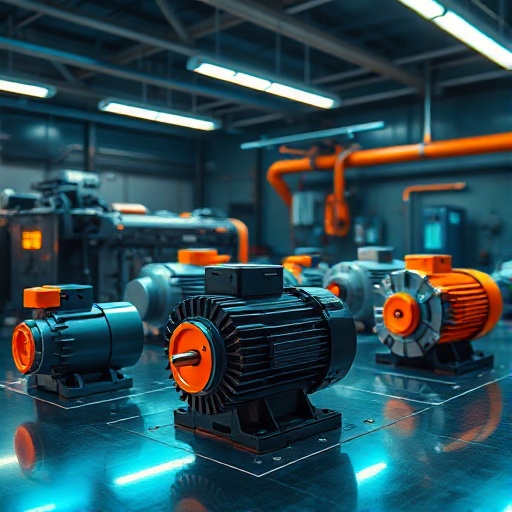
BLDC motors, or brushless DC motors, have surged in popularity due to their elimination of mechanical brushes, slashing maintenance and boosting reliability. Electronic sensors and controllers manage commutation, delivering precise speed control and high torque density. These brushless motors thrive in electric bicycles, where lightweight design extends range, and in hard drives for silent operation. Efficiency reaches 85-90 percent, far surpassing brushed counterparts, while compact sizes fit modern gadgets. The rise of brushless technology stems from advances in rare-earth magnets, enhancing power output. In types of electric motors, BLDC variants lead innovation, powering drones with responsive maneuvers. Dietz Electric, a key supplier, offers robust BLDC solutions for custom integrations, emphasizing durability in demanding environments like aerospace.
Torque Motors: Precision and Power
Torque motors deliver direct, high-torque output at low speeds, bypassing gearboxes for streamlined designs in robotics and CNC machines. These specialized electric motors prioritize holding power over rapid rotation, ideal for valve actuators or satellite positioning. Frameless versions integrate seamlessly into assemblies, reducing inertia for faster responses. Permanent magnets amplify torque, while low cogging ensures smooth motion. In precision applications, torque motors excel by maintaining position without backlash, crucial for medical devices like MRI scanners. Exploring motor types reveals their role in high-force, low-speed scenarios, where traditional motors falter. Innovations in winding techniques enhance their efficiency, making torque motors indispensable for automation. Engineers value their ability to handle stalled conditions without damage, ensuring reliable performance in compact footprints.
Permanent Magnet Synchronous Motors: Efficiency and Performance
Permanent magnet synchronous motors combine the precision of synchronous operation with powerful neodymium magnets for superior efficiency. They synchronize rotor speed to the AC supply, minimizing slip for consistent performance in electric vehicles and wind turbines. High power density allows smaller sizes without sacrificing output, cutting material costs. These motors regenerate energy during deceleration, extending battery life in EVs. In types of electric motors, permanent magnet synchronous motors stand out for low rotor inertia and quick acceleration. Circuit design integrates inverters for variable speed control, broadening applications from pumps to hybrid systems. Their brushless nature reduces acoustic noise, appealing to consumer electronics. Overall, they drive sustainable tech by optimizing energy conversion, with efficiencies often exceeding 95 percent in optimized setups.
Applications of Electric Motors Across Industries
Electric Motors in Automation and Robotics
Automation and robotics depend on electric motors for precise, repeatable movements that boost productivity. Servo motors, often brushless DC types, provide feedback via encoders for accurate positioning in assembly lines. Stepper motors deliver discrete steps, ideal for 3D printers and pick-and-place robots. In collaborative robots, torque motors enable safe, human-like interactions without gears. These applications leverage types of electric motors like synchronous variants for synchronized multi-axis control. Sensors integrate with circuit design to monitor vibrations and adjust in real-time, preventing failures. Industrial robots from companies like Dietz Electric incorporate robust DC electric motors for heavy lifting. Automation thrives on these motors' scalability, from micro-actuators in grippers to large arms in welding, transforming manufacturing efficiency and safety.
Transportation: From Electric Vehicles to Trains
Transportation revolutionized by electric motors, starting with EVs where permanent magnet synchronous motors propel cars like Teslas with instant torque. These brushless motors integrate regenerative braking, recapturing energy to extend ranges up to 300 miles. In trains, AC induction motors power locomotives for reliable, high-speed travel over long distances. Hybrid buses use DC motors for urban stop-start efficiency. Exploring electric motor types shows three-phase motors dominating rail systems for their fault tolerance. E-bikes employ BLDC motors for lightweight assistance. Future rail innovations include linear motors for maglev trains, eliminating friction. Electric propulsion cuts emissions, aligning with green policies, while calculators and timers in control systems optimize performance, ensuring smooth rides across global networks.
Household Appliances and Consumer Electronics
Household appliances rely on compact electric motors for everyday convenience, with single phase motors driving washers and dryers for efficient cycles. In blenders, universal motors blend power and speed control seamlessly. Consumer electronics feature brushless motors in cooling fans, extending device life quietly. Vacuum cleaners use brushed DC motors for suction power, while smart fridges employ synchronous motors for precise compressor operation. Types of motors here prioritize energy savings, like inverter-driven AC motors in air conditioners that adjust speeds dynamically. Remote controls often include rotary switches for mode selection. These applications embed motors invisibly, enhancing user experience through reliability. Innovations reduce vibrations, making appliances quieter, and integrate non-magnetic components for safety in humid environments.
Industrial Machinery and Manufacturing Processes
Industrial machinery harnesses powerful electric motors to streamline manufacturing, with three-phase AC motors powering conveyor belts for continuous material flow. CNC lathes use servo motors for micron-level accuracy in metalworking. In packaging lines, torque motors seal products without stops, accelerating throughput. AC induction motors drive pumps and compressors in chemical plants, handling corrosive loads durably. Categories of electric motors like asynchronous types excel in variable-speed drives via VFDs, optimizing energy use. Dietz Electric supplies specialized motors for harsh conditions, incorporating electrical steel cores for heat resistance. Manufacturing processes benefit from reduced downtime, as brushless motors minimize maintenance. Sensors monitor performance, integrating with timers and calculators for predictive upkeep, ensuring seamless operations in factories worldwide.
Innovations and Future Trends in Electric Motor Technology
Advancements in Materials: The Role of Electrical Steel
Advancements in materials propel electric motor efficiency, with electrical steel at the forefront for its superior magnetic properties. Grain-oriented electrical steel reduces core losses in stators, enabling motors to run cooler and more effectively. Non-oriented variants suit rotors in asynchronous designs, balancing isotropy with cost. These steels, laced with silicon, minimize eddy currents, boosting overall performance in high-frequency applications like EVs. Future trends incorporate amorphous metals for even lower losses, slashing energy waste by 30 percent. In types of electric motors, material upgrades enhance BLDC and PMSM variants, supporting compact, high-power units. Manufacturers like Dietz Electric adopt these for custom builds, ensuring motors meet demanding specs. Such innovations drive sustainability, extending motor life and reducing material demands in global production.
Reducing Acoustic Noise and Vibrations
Reducing acoustic noise and vibrations transforms electric motors into quieter, more comfortable components across applications. Skewed rotor slots in induction motors disrupt harmonic fields, damping unwanted sounds below 50 dB. Active vibration control uses counterweights and dampers to neutralize resonances in high-speed BLDC motors. Brushless designs inherently cut brush-related noise, while optimized windings prevent electromagnetic hums. In EVs, acoustic noise mitigation ensures cabin serenity, using non-magnetic mounts to isolate vibrations. Future trends employ AI-driven simulations to predict and eliminate sources pre-manufacture. Types of motors benefit variably: synchronous units achieve near-silent operation via precise balancing. Industrial users integrate sensors for real-time damping, enhancing worker safety. These efforts not only improve user experience but also extend component longevity by curbing fatigue failures.
Smart Motors: Integrating Sensors and Circuit Design
Smart motors integrate sensors and advanced circuit design for intelligent operation, monitoring temperature, speed, and load in real-time. Hall-effect sensors in BLDC motors detect rotor position, enabling precise commutation without mechanical contacts. IoT connectivity allows remote diagnostics, predicting failures via data analytics. Circuit design incorporates microcontrollers and PWM for efficient power delivery, as in variable-speed drives. Timers and calculators embedded in controls optimize cycles, like in smart appliances. Permanent magnet synchronous motors use current sensors for torque vectoring in robotics. These integrations elevate types of electric motors, turning them into self-regulating systems. Dietz Electric pioneers such designs, offering plug-and-play smart solutions for automation. The result: reduced energy use, enhanced reliability, and seamless adaptation to dynamic environments, heralding a connected motor ecosystem.
The Impact of Electric Motors on Sustainable Energy Solutions
Electric motors underpin sustainable energy solutions by enabling efficient conversion in renewables and electrification. Wind turbines employ large synchronous motors as generators, harnessing gusts into grid power with minimal losses. Solar trackers use DC motors for optimal panel orientation, maximizing yield. In energy storage, motors drive pumps in hydroelectric setups, balancing supply. Brushless and PMSM types dominate EVs, cutting transport emissions by 50 percent globally. Innovations like axial-flux designs pack more power into smaller spaces, aiding off-grid systems. Types of electric motors facilitate microgrids, integrating with batteries for resilient power. Reducing reliance on fossils, they support carbon-neutral goals, with electrical steel advancements further greening production. Overall, these motors accelerate the shift to renewables, powering a cleaner future through scalable, eco-friendly tech.
See Also
- The Ultimate Guide to Electric Motors Which Type is Right for Your Project
- Brushless vs Brushed Electric Motors A Comprehensive Comparison
- From BLDC to AC Induction Discover the Fascinating Spectrum of Electric Motor Types
- Understanding Electric Motor Categories How to Choose the Best Fit for Your Needs