Innovative Applications of Thermosetting Plastics in Modern Engineering
The Versatility of Thermosetting Plastics in Engineering
Understanding Thermosetting vs. Thermoplastics
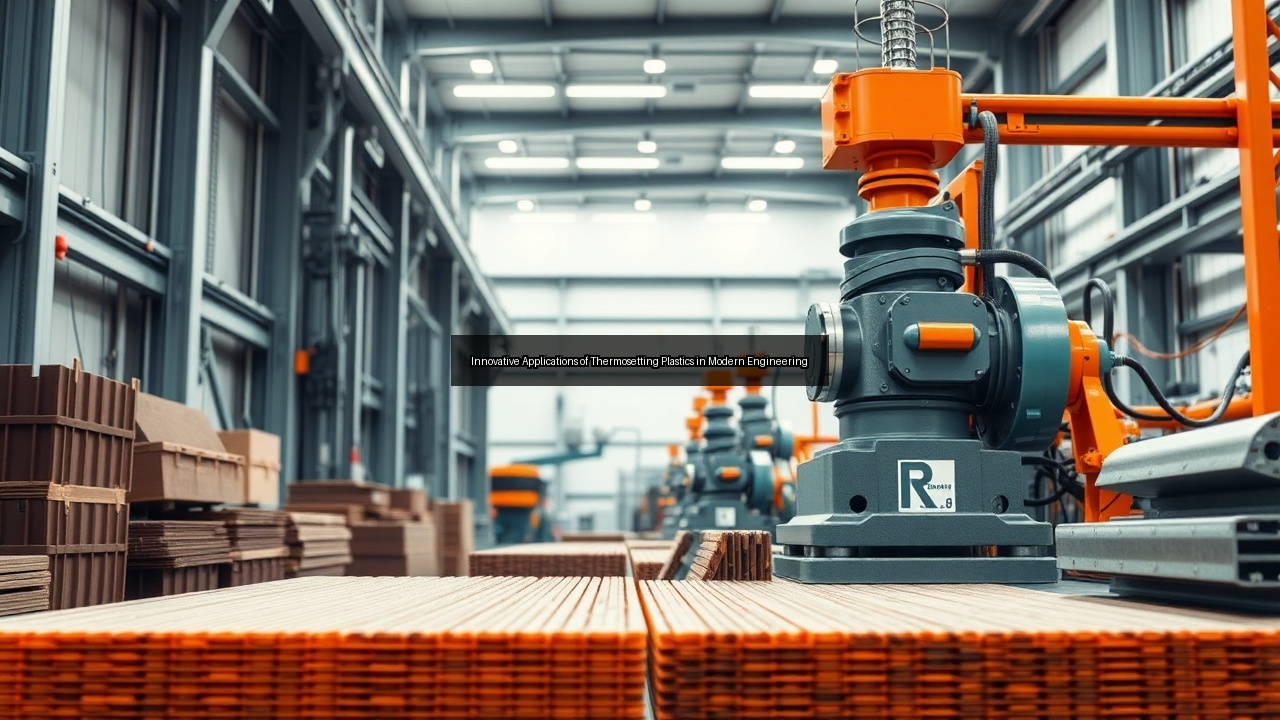
Thermosetting plastics stand out in engineering for their irreversible chemical changes during curing, which lock in shape and strength once heat and pressure apply. Engineers choose thermoset plastics over thermoplastics because they resist deformation under extreme conditions, unlike thermoplastics such as nylon, polypropylene, or PVC that soften and reshape with reheating. Thermoplastics dominate everyday items like LEGO bricks or acrylic sheets due to their recyclability and ease of molding, but thermosets excel in high-stakes applications where heat resistance and durability matter most. Consider the molecular structure: thermosetting resins form cross-linked networks, creating rigid, heat-resistant materials that thermoplastics, with their linear chains, simply cannot match. In modern engineering, this distinction drives decisions in design—thermosets for permanent fixtures, thermoplastics for flexible components. Polyester and epoxy resins exemplify thermosetting materials, curing into tough barriers against corrosion and wear, while ABS and polystyrene serve thermoplastics in lighter, cost-effective roles. Understanding this divide empowers engineers to select the right plastic for automotive parts, construction elements, or electronics housings, ensuring performance aligns with project demands. Thermosetting plastics thus redefine reliability in fields where failure isn't an option.
Key Properties of Thermosetting Plastics
Thermoset plastics deliver unmatched strength and thermal stability, making them indispensable in engineering projects that demand longevity. Their defining trait—resistance to heat—stems from a curing process that forms a three-dimensional polymer network, preventing meltdown even at temperatures exceeding 200°C. Unlike thermoplastics like polyethylene or PVC, thermosets maintain dimensional stability under load, resisting creep and fatigue over time. Chemical resistance further elevates their value; exposure to solvents, acids, or fuels barely phases materials like phenolic resins or polyurethanes. Engineers prize this for tools and machinery components exposed to harsh environments. Electrical insulation properties shine in thermosets, with low conductivity ideal for wiring and circuit boards in electronics. Mechanical toughness rounds out the profile—high tensile strength and impact resistance surpass many metals in weight-to-performance ratios. In design phases, these attributes guide selections: a thermoset part might weigh 50% less than steel yet offer superior corrosion resistance. Manufacturing benefits include low shrinkage during molding, ensuring precise fits in complex assemblies. Overall, thermosetting plastics combine these properties into versatile solutions, from aerospace composites to consumer goods, where reliability translates to real-world innovation.
Applications in the Construction Industry
Construction engineers integrate thermosetting plastics into structural elements for their superior durability and weather resistance, transforming buildings into resilient fortresses. Fiberglass-reinforced thermosets, like those based on polyester resin, reinforce beams and panels, slashing weight while boosting load-bearing capacity compared to traditional concrete or steel. In roofing, thermoset membranes provide waterproof barriers that withstand UV exposure and thermal cycling without cracking—far outperforming thermoplastic alternatives like PVC sheets that degrade faster. Bridges and tunnels benefit from thermoset composites in facades and supports, where corrosion resistance extends service life by decades. Electrical insulation in wiring conduits relies on thermosets to prevent shorts in damp environments, a critical edge in high-rise designs. Innovative uses extend to insulation foams made from polyurethane thermosets, which trap heat efficiently and resist fire spread, meeting stringent building codes. In sustainable builds, recycled glass fibers blended into thermoset matrices create eco-friendly panels that reduce carbon footprints without sacrificing strength. Manufacturing these components often involves compression molding for uniformity, ensuring seamless integration into large-scale projects. From skyscraper frameworks to modular housing, thermosetting plastics drive efficiency, cut maintenance costs, and enable bold architectural visions that prioritize safety and longevity.
Innovative Products Made from Thermosetting Plastics
Automotive Components and Their Benefits
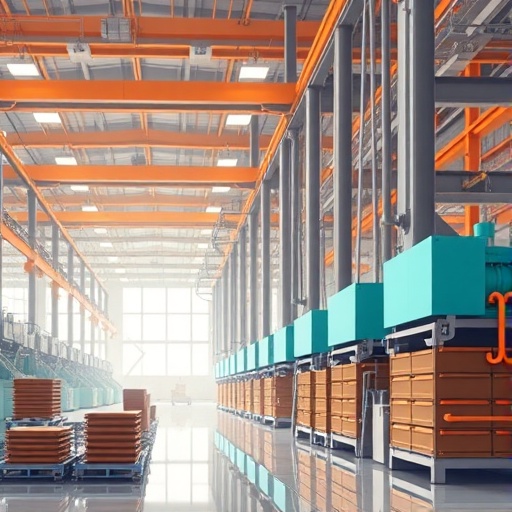
Automotive engineers craft essential components from thermosetting plastics to lighten vehicles and enhance fuel efficiency without compromising safety. Engine covers and intake manifolds made from phenolic thermosets endure high heat near 150°C, resisting warping that plagues thermoplastics like ABS in similar roles. Body panels incorporating glass-filled polyester resins cut weight by up to 40% over metal, improving crash performance through energy absorption. Under-the-hood parts, such as battery casings from epoxy thermosets, shield electronics from vibrations and chemicals, extending vehicle lifespan. These products made from thermosetting plastics also reduce noise and vibration, creating quieter rides—polyurethane foams dampen sounds effectively in dashboards and seats. In electric vehicles, thermoset insulators prevent short circuits in high-voltage systems, a nod to their electrical prowess. Benefits extend to manufacturing: thermosets mold into intricate shapes via reaction injection molding, speeding production lines. Corrosion resistance eliminates rust issues in undercarriage elements, lowering repair bills. As automakers push for sustainability, bio-based thermoset resins emerge, blending performance with greener profiles. Overall, these innovative applications propel the industry toward lighter, stronger, and more efficient designs that meet global emission standards.
Electrical Insulation Applications
Electrical engineers rely on thermosetting plastics for insulation that safeguards circuits against heat, moisture, and electrical arcs in demanding electronics setups. Epoxy resins coat transformers and motors, forming barriers that withstand voltages up to 10kV while dissipating heat efficiently—crucial for preventing failures in power grids. In consumer devices, phenolic thermosets insulate switches and housings, offering flame-retardant properties that comply with safety regulations. Unlike thermoplastics such as polypropylene, which soften under load, thermosets maintain integrity in high-temperature environments like server farms or industrial controls. Cable sheathing from silicone-based thermosets protects wiring in harsh outdoor conditions, resisting UV degradation and chemical spills. Prototyping these insulators often uses CNC machining for precision fits in compact designs. Products made from thermosetting plastics in this realm include circuit board laminates, where fiberglass-reinforced epoxies provide the backbone for PCBs, enabling denser, faster electronics. Their low dielectric constant minimizes signal loss, vital for telecommunications gear. As renewable energy surges, thermoset insulators in solar inverters and wind turbine generators endure extreme weather, ensuring reliable power delivery. This versatility cements thermosets as the go-to for innovations that power modern life.
Packaging Solutions Using Thermoset Materials
Packaging innovators harness thermoset materials to create protective solutions that preserve products during transit and storage, outpacing fragile thermoplastics in rugged scenarios. Rigid containers from melamine thermosets shield electronics and tools from impacts and chemicals, ideal for industrial shipping. In food packaging, thermoset coatings on glass or metal provide heat-resistant barriers that prevent leaching, extending shelf life without the migration issues of PVC films. These products made from thermosetting plastics excel in pharmaceutical blister packs, where epoxy layers ensure tamper-evident seals and moisture control. Unlike recyclable thermoplastics like polystyrene, thermosets offer superior barrier properties against oxygen and light, safeguarding sensitive items like vaccines. Custom designs via injection molding produce lightweight yet durable crates for automotive parts, reducing freight costs. Sustainability enters with recycled thermoset composites in eco-packaging, blending post-consumer resins for reusable pallets. In e-commerce, thermoset foams cushion fragile goods, absorbing shocks better than acrylic alternatives. Engineers tailor these solutions for specific needs—high-heat resistance for oven-ready trays or electrical insulation for device kits. As global supply chains evolve, thermosetting plastics deliver packaging that balances protection, efficiency, and environmental responsibility.
Manufacturing Techniques for Thermoset Plastics
Compression Molding: A Closer Look
Compression molding shapes thermoset plastics into robust parts by pressing preheated resin into molds under intense pressure and heat, yielding high-strength components for engineering demands. Operators load powdered or sheet thermoset materials, like polyester or phenolic resins, into open molds, then close and heat them to trigger curing—typically at 150-180°C for minutes. This technique shines for large, thick items such as automotive battery cases or construction panels, where uniform density prevents weak spots. Unlike thermoplastic processes, compression molding minimizes voids in fiber-reinforced thermosets, enhancing mechanical properties like tensile strength. Tools made from steel alloys ensure precision, with surface finishes rivaling injection methods. In prototyping, it allows quick iterations for design validation, incorporating glass fillers for added rigidity. Benefits include low waste—excess resin recycles within the mold—and cost-effectiveness for medium runs. Engineers favor it for heat-resistant parts in electronics, where dimensional accuracy matters. Modern variants incorporate automation for faster cycles, boosting throughput in manufacturing hubs. Overall, compression molding unlocks the full potential of thermosetting materials, delivering products that endure extreme conditions with unmatched reliability.
Injection Molding vs. Reaction Injection Molding
Injection molding propels thermoset plastics into precise forms by injecting liquid resin into cooled molds, contrasting sharply with reaction injection molding's in-mold curing approach. Traditional injection suits lower-viscosity thermosets like polyurethanes, forcing material through heated barrels before it sets in the die—ideal for small, intricate parts like electrical connectors. Reaction injection molding (RIM), however, mixes reactive components like isocyanates and polyols at low pressure, allowing them to polymerize inside the mold; this excels for large, complex shapes such as automotive fascias, reducing equipment stress. Thermoplastics like ABS dominate standard injection, but thermosets demand specialized screws to handle curing without clogging. RIM cuts cycle times by 50% for structural foams, enabling lightweight designs in aerospace. Both techniques incorporate fillers like glass for reinforcement, but RIM's flexibility aids prototyping with rapid tooling changes. In manufacturing, injection offers higher volumes at lower costs for simple geometries, while RIM tackles undercuts and thick sections effortlessly. Engineers weigh tooling investments—steel molds for injection last longer than aluminum for RIM. These methods drive innovation in products made from thermosetting plastics, balancing speed, strength, and customization for diverse applications.
CNC Machining and Prototyping with Thermosets
CNC machining carves thermoset plastics into custom prototypes with laser-guided precision, enabling engineers to test designs before full-scale production. Computer-controlled mills and lathes shape cured blocks of materials like epoxy or phenolic resins, achieving tolerances under 0.01mm for components in electronics or tools. Unlike softer thermoplastics such as acrylic, thermosets resist chipping during high-speed cuts, thanks to their cross-linked structure, though coolant prevents heat buildup that could warp surfaces. In prototyping, this subtractive process complements molding by refining molds or creating one-off parts for fit checks in automotive assemblies. Software like CAD integrates seamlessly, allowing iterative tweaks to optimize resistance properties. Fiber-reinforced thermosets, with glass or carbon additives, demand diamond-tipped tools for clean edges, enhancing prototypes' realism. Manufacturing teams use CNC for post-molding finishing, smoothing compression-molded panels for construction use. Advantages include versatility—machine metals and plastics alike—and rapid turnaround, slashing development timelines. As additive manufacturing grows, CNC remains king for thermosets' rigidity, producing durable samples that mimic end-use performance. This technique fuels engineering breakthroughs, turning concepts into tangible innovations with minimal waste.
Sustainability and Recycling in Thermosetting Plastics
Recycled Thermoset Materials in Modern Engineering
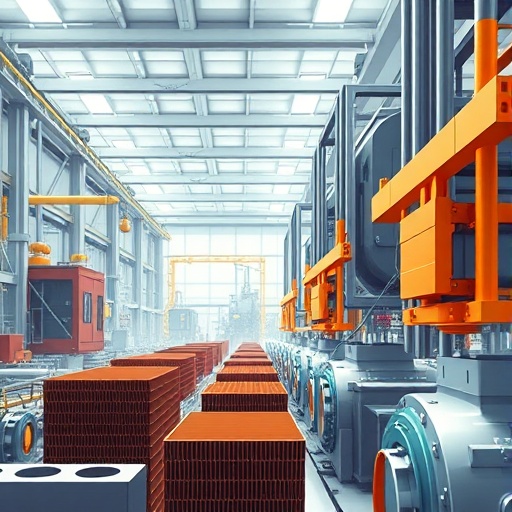
Engineers incorporate recycled thermoset materials into new designs to close the loop on waste, transforming scrap from manufacturing into valuable resources. Ground phenolic or polyester residues from compression molding mix with virgin resins, creating composites that retain 80-90% of original strength for automotive and construction applications. Unlike thermoplastics like polypropylene, which melt easily, thermosets require pyrolysis or chemical depolymerization to break cross-links, yielding reusable monomers for fresh batches. In electronics, recycled epoxy from circuit boards reinforces housings, reducing landfill contributions by 30%. Glass fibers from old panels reclaim as fillers, boosting eco-profiles without sacrificing heat resistance. Prototyping with these materials tests sustainability metrics early, using CNC to shape hybrid parts. Manufacturing shifts toward closed-loop systems, where injection molding reprocesses edge trims on-site. Benefits extend to cost savings—recycled inputs cut raw material expenses by 20%—and regulatory compliance in green building standards. Innovative products made from recycled thermosetting plastics include wind turbine blades, where reclaimed resins enhance durability. As circular economy principles take hold, these efforts position thermosets as leaders in sustainable engineering, balancing performance with planetary care.
Eco-Friendly Alternatives to Traditional Plastics
Eco-friendly alternatives to traditional plastics emerge from bio-based thermosets, offering engineers sustainable options that rival petroleum-derived materials in performance. Plant-derived polyols replace fossil fuels in polyurethane foams, creating insulation for construction that biodegrades partially at end-of-life—unlike persistent PVC or polystyrene. These thermosetting resins cure into rigid structures for packaging, providing barrier properties without microplastic risks. In automotive, natural fiber-reinforced epoxies lighten components, cutting emissions during production. Hemp or flax fillers in polyester thermosets yield high-strength panels for tools and electronics, with carbon footprints 50% lower than glass-filled versions. Manufacturing adapts injection and reaction injection molding for these hybrids, ensuring scalability. Prototyping via CNC verifies mechanical integrity, from heat resistance to impact tolerance. Compared to thermoplastics like polyethylene, bio-thermosets lock in shapes permanently, avoiding re-melt pollution. Innovations include mycelium-bound resins for temporary packaging, dissolving harmlessly. Engineers prioritize these for LEED-certified projects, where sustainability drives design choices. As regulations tighten, these alternatives not only meet but exceed expectations, fostering a greener plastics landscape that supports long-term environmental health.
The Role of ISO 9001 in Sustainable Manufacturing
ISO 9001 certification streamlines sustainable manufacturing of thermoset plastics by enforcing quality systems that minimize waste and optimize resource use across engineering processes. Companies adhere to its standards during compression molding, tracking resin batches to ensure consistent curing and reduce defects that lead to scrap. In reaction injection molding, documented procedures control chemical mixes, cutting excess emissions and energy in automotive part production. This framework integrates recycling protocols, mandating audits for recycled thermoset inputs in construction composites, enhancing traceability from prototype to product. Electrical insulation manufacturers leverage ISO 9001 for supplier vetting, sourcing eco-resins that maintain heat resistance without compromising standards. Prototyping under these guidelines accelerates validation, with CNC logs proving material efficiency. Beyond compliance, ISO 9001 fosters continuous improvement—teams analyze molding cycles to lower power draw by 15%, aligning with green goals. In packaging, it ensures thermoset solutions meet durability specs while incorporating post-consumer content. Globally, certified facilities lead in innovative products made from thermosetting plastics, building trust with clients who demand ethical practices. Ultimately, ISO 9001 bridges quality and sustainability, empowering engineers to produce reliable, earth-friendly materials that shape a responsible future.