Maximizing Efficiency with PC-Programmable Temperature Controllers
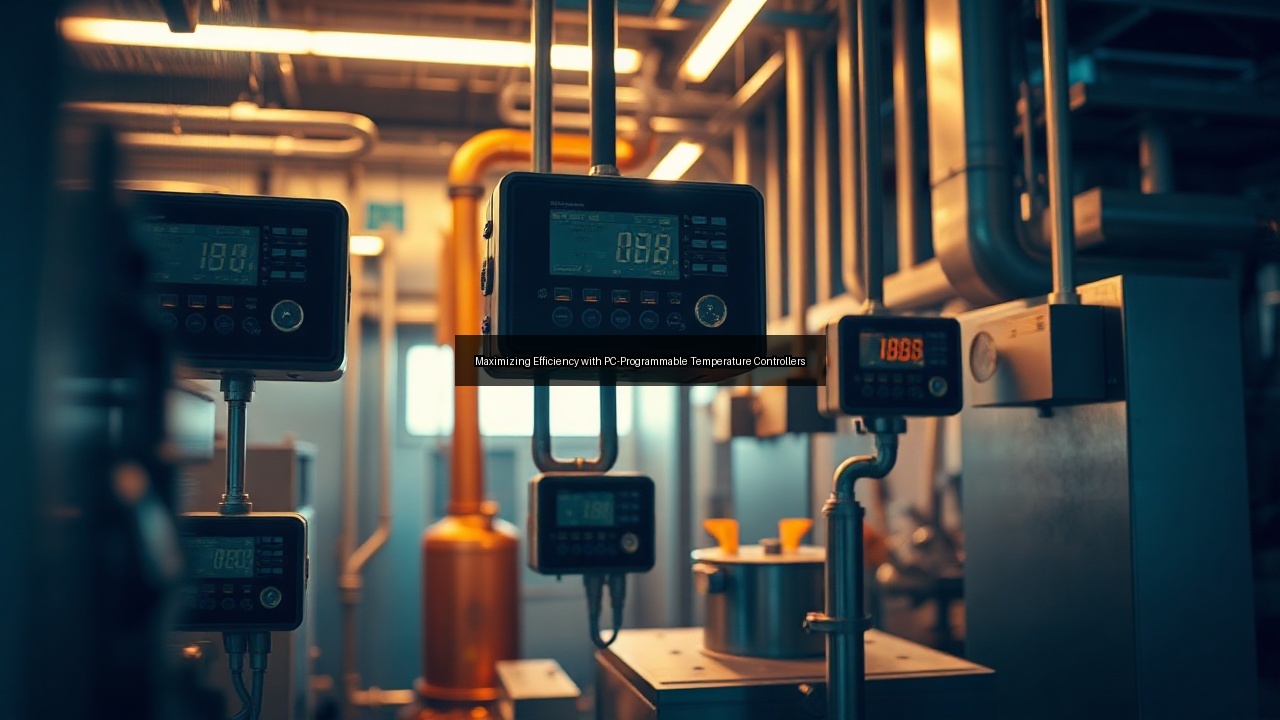
Understanding Process Temperature Controllers
What is a Process Temperature Controller?
A process temperature controller regulates temperature in various industrial applications, ensuring optimal conditions for operational efficiency. These devices maintain the desired temperature setpoint by controlling heaters, coolers, or other temperature-regulating equipment. Process temperature controllers utilize feedback mechanisms to compare the measured temperature against the desired set value. If discrepancies arise, the controller adjusts the output to correct the temperature. This real-time adjustment is crucial for processes requiring strict temperature management, such as in chemical production, food processing, and semiconductor manufacturing.
Key Components of Temperature Control Systems
Temperature control systems consist of several key components that work in unison to maintain precise temperature regulation. At the core of the system is the process temperature controller, which processes input signals from temperature sensors. Common types of sensors include thermocouples and infrared devices, each selected based on the specific requirements of the application. Other vital components include actuators, which adjust the heating or cooling elements based on controller output, and user interfaces, which allow operators to set parameters and monitor performance. Together, these elements form a cohesive system that ensures effective temperature management.
Types of Temperature Sensors: Thermocouples and Infrared
Temperature sensors play a crucial role in the accuracy and efficiency of temperature control systems. Thermocouples are among the most widely used temperature sensors in industrial environments due to their robustness and wide temperature range. They consist of two dissimilar metal wires that produce a voltage in response to temperature changes. In contrast, infrared sensors measure temperature without contact, making them ideal for non-invasive applications where traditional sensors might not be suitable. Understanding the differences between these sensors aids in selecting the right temperature measurement solution for specific processes, enhancing overall control and efficiency.
Exploring PID Control in Temperature Regulation
How PID Controllers Work: The Basics of Proportional, Integral, and Derivative Control
PID control, which stands for Proportional, Integral, and Derivative control, forms the backbone of modern temperature regulation in industrial settings. Proportional control responds to the current error, adjusting the output relative to the magnitude of the deviation from the industrial temperature controls setpoint. Integral control addresses past errors, eliminating residual steady-state errors by adjusting the controller's output based on the cumulative error over time. Finally, derivative control anticipates future errors by considering the rate of change of the error. Together, these three components allow PID controllers to deliver fast and stable temperature regulation, significantly improving process control and efficiency.
Advantages of PID Control in Industrial Applications
Using PID controllers in industrial applications offers numerous advantages. These controllers provide precise control over temperature, minimizing fluctuations that can affect product quality. The ability to set various parameters allows for customization based on specific process needs, making them versatile across different applications. Additionally, PID controllers enhance response times, ensuring that adjustments occur swiftly to maintain the desired temperature setpoint. This speed is particularly beneficial in processes where temperature changes can significantly impact outcomes, such as in chemical reactions or manufacturing processes. Overall, PID control proves essential for achieving high levels of efficiency and accuracy in temperature management.
Configuring PID Settings for Optimal Performance
Successful implementation of PID control relies on carefully configuring the PID settings—proportional gain, integral time, and derivative time. Each of these parameters must be tuned to match the characteristics of the specific process being controlled. Common methods for tuning include the Ziegler-Nichols method, which provides a systematic approach to finding optimal gains. Additionally, modern process temperature controllers may include auto-tuning features that automatically adjust PID settings based on real-time performance data. This capability simplifies the tuning process, ensuring that the temperature control system operates at peak efficiency with minimal manual intervention.
Integration and Communication in Temperature Controllers
RS-485 and Modbus: Enhancing Device Communication
Effective communication between temperature controllers and other devices is vital for seamless automation. RS-485 and Modbus protocols enhance this communication, allowing multiple devices to connect over long distances. RS-485 supports robust communication in noisy industrial environments, making it ideal for connecting various process controls sensors and controllers. Modbus, a widely used communication protocol, facilitates easy integration into existing systems by standardizing communication. Together, these technologies enable efficient data exchange, allowing for centralized monitoring and control of temperature management processes, which is crucial for maintaining operational efficiency and accuracy.
Choosing Between Panel-Mount and DIN-Rail Controllers
When selecting temperature controllers for industrial applications, the mounting style plays a significant role in installation and usability. Panel-mount controllers offer a compact solution for environments with limited space, fitting neatly into control panels. In contrast, DIN-rail controllers provide flexibility for modular setups, allowing for quick installation and rearrangement as needed. Understanding the physical constraints and layout of the workspace helps in making an informed decision between these two mounting options. Whether opting for a panel-mount or DIN-rail solution, ensuring compatibility with existing systems industrial temperature controls is essential for optimal performance.
Configurable Inputs and Outputs for Versatile Applications
Modern process temperature controllers often feature configurable inputs and outputs, allowing them to adapt to a wide range of applications. This flexibility enables users to connect various temperature sensors, including thermocouples and infrared sensors, and to control multiple outputs such as heating elements or cooling systems. Configurable settings enhance the versatility of temperature controls, making them suitable for diverse industrial environments. This adaptability not only streamlines setup but also reduces the need for multiple specialized controllers, thus simplifying maintenance and inventory management.
Maximizing Efficiency and Accuracy in Temperature Management
Calibration Techniques for Ensuring Measurement Precision
Calibration ensures that temperature measurements remain accurate and reliable. Regular calibration of temperature sensors and controllers is essential in maintaining measurement precision. Techniques such as using reference standards and comparing readings against known temperatures help identify discrepancies. Implementing a routine calibration schedule minimizes errors and ensures compliance with industry standards. Advanced process temperature controllers may include features that facilitate easy calibration, allowing operators to maintain accuracy without extensive downtime. Accurate temperature measurement is vital for maintaining product quality and operational efficiency across various industrial processes.
Temperature and Humidity Control in Automated Systems
In many industrial applications, controlling both temperature and humidity is essential for optimal product quality. Automated systems equipped with process temperature controllers can manage these parameters simultaneously, ensuring that conditions remain within specified limits. This dual control capability is particularly beneficial in environments such as food processing, pharmaceuticals, and climate-controlled storage. Implementing integrated systems that monitor and adjust both temperature and humidity enhances overall efficiency, reduces waste, and improves product consistency. Advanced controllers can provide real-time data and alerts, aiding operators in maintaining ideal conditions continuously.
Selecting the Right Controller for Your Process Needs
Choosing the appropriate process temperature controller involves evaluating various factors, including application requirements, environmental conditions, and communication capabilities. Considerations such as the type of temperature sensors needed, the mounting style, and the integration of existing systems play a crucial role in the selection process. Additionally, assess the controller's features, such as PID control options, configurable inputs and outputs, and communication protocols like RS-485 and Modbus. By understanding the specific needs of the application, one can select a controller that maximizes efficiency, accuracy, and overall performance in temperature management.
See Also
- Temperature Control Strategies for Different Mounting Styles
- How to Improve Industrial Temperature Controls with PID Algorithms
- Understanding the Role of Thermocouples in Temperature Measurement
- Configurable Inputs and Outputs in Modern Temperature Controllers
- Calibrating Your Success with Accurate Temperature Measurement and Control Solutions